Lawmakers are pushing the Trump administration to stop being murky on whether states will be able to access tens of billions in “non-deployment funds” mandated by Congress that have been temporarily hijacked by the administration’s unpopular changes to a once-in-a-lifetime federal grant program to expand high-speed Internet access.
Today, The Verge published an in-depth piece authored by our own Sean Gonsalves and ILSR contributor Karl Bode that examines the BEAD program from its inception to the boondoggle its become.
Earlier this month rural electric and broadband cooperatives gathered in Washington, DC, for their fifth-annual Broadband Leadership Summit. The topic du jour was broadly unpopular changes made by the NTIA to the Broadband, Equity, Deployment, and Access program (BEAD) created by the 2021 infrastructure bill.
Chris and Doug Dawson unpack a new survey of rural Americans, the lawsuit over the Digital Equity Act, and what the FCC's latest satellite decisions could mean for the future of our skies
Moore Haven, Florida-based Glades Electric Cooperative has completed a long-planned fiber broadband network into largely unserved parts of the Sunshine State.
On July 7 at 12 noon ET, the next installment in the joint webinar series from the American Association for Public Broadband (AAPB) and the Institute for Local Self-Reliance (ILSR) will go live and showcase a new financing and governance model being put into real-world action that allows for communities to control their digital futures.
The Maine Connectivity Authority continues to make steady inroads bridging the state’s long standing digital divide on the back of federal grants and a public private-partnership between Lincoln County and Consolidated Communications. In January, Fidium announced it was beginning construction on the project, which should bring fiber connectivity to 8,300 homes and businesses.
At the “Municipal Broadband and Innovative Financing Models: Unlocking Economic Growth” webinar today, experts provided an inside look at how successful community broadband networks can be funded. Co-hosted by ILSR's Community Broadband Networks initiative and the American Association for Public Broadband, the four-person panel provided key insights on finanacing network construction even with the uncertainty now swirling around the federal BEAD program.
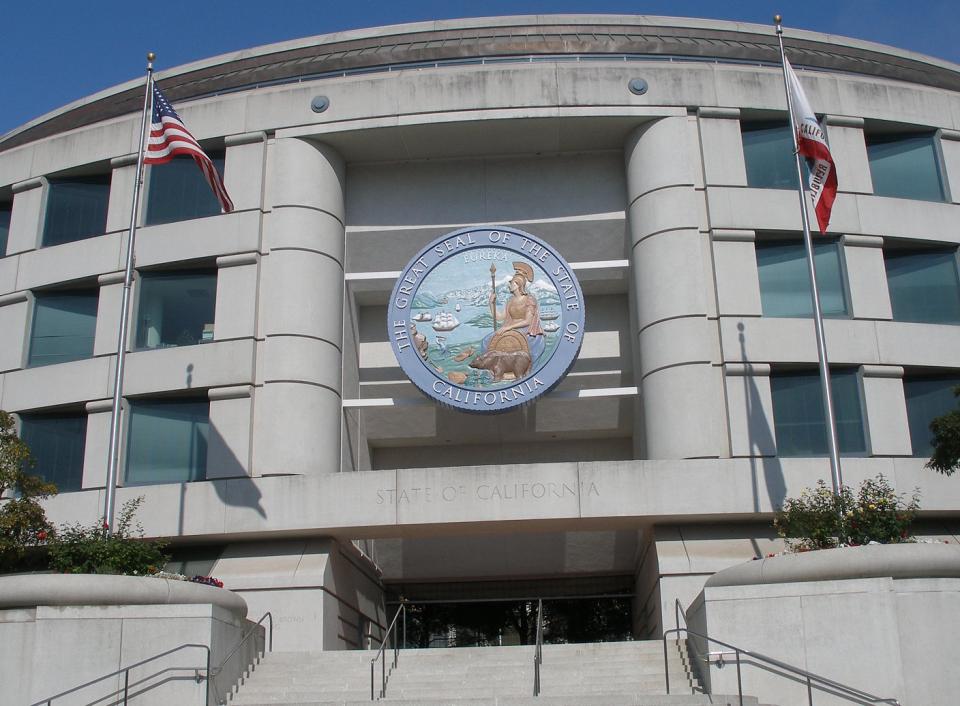
Cold Springs Rancheria of Mono Indians was among the applicants celebrating a winning grant application in the California Public Utilities Commission’s (CPUC) latest Federal Funding Account (FFA) announcement. The grant marks the eighth successful application by a Tribal nation in this program and another in a long list of community-focused projects led by public entities like municipalities.
Officials in Carver County Minnesota continue to make great progress expanding affordable fiber access to the county of 111,000 residents, thanks largely to their publicly-owned open access fiber network CarverLink and their partnership with Metronet. With the looming completion of its most recent $10.5 million expansion, CarverLink Fiber Manager Randy Lehs told ISLR they’re getting very close to their ultimate goal: making symmetrical gigabit fiber available to all locations county wide.
The webinar will focus on the variety of ways publicly-owned broadband networks can be financed and feature municipal broadband providers and financing experts who have successfully navigated the maze of municipal finance. Co-hosted by AAPB Executive Director Gigi Sohn and Sean Gonsalves from ILSR's Community Broadband Networks Initiative, organizers are encouraging attendees to bring their questions, as the agenda aims to foster information-sharing and actionable insight.
Alabama's open-access middle mile network spurs last mile investments and competition. Alabama has already invested over $324 million of federal American Rescue Plan Act funding on middle-mile infrastructure. Of that, $264 million has been earmarked to deploy 5,000 miles of middle-mile infrastructure – reaching all 67 Alabama counties – as part of the Alabama Fiber Network.
New policy brief makes the case for why changes to BEAD fiber preference "would repeat past policy mistakes and waste billions of dollars while delivering subpar Internet access to rural families at much higher prices.” And while the policy brief warns against squandering a “generational investment,” it does not argue that other technologies should not be a part of the mix.
After decades of redlining and broadband “digital discrimination” by the nation’s biggest telecom monopolies, the FCC rules taking aim at the problem are poised to be dismantled, courtesy of the Trump administration’s broad, controversial frontal assault on discrimination reforms and civil rights. Trump’s incoming FCC boss Brendan Carr issued a statement falsely claiming that the administration is eliminating discrimination reforms to purportedly stop…discrimination. The move is primarily to the benefit of telecom monopolies accused of discrimination, which filed a federal lawsuit to prevent the rules last year via the U.S. Chamber of Commerce.
California Assemblymember Tasha Boerner introduced Assembly Bill 353 that would mandate ISPs “make affordable home Internet plans available to California residents.” The foundation of bill is linked to California’s existing Digital Equity Bill of Rights and is based on “the principle of the state to ensure digital equity for all residents of the state."
ILRS’s Community Broadband Networks Initiative is hosting a special live online forum on Monday Feb. 3 at 3:30 PM ET focused on New York's Affordable Broadband Act and what the implications are for other states considering similar legislation.
With uncertainty swirling around the future of BEAD and Digital Equity Act programs, the next Building for Digital Equity (#B4DE) live stream is shaping up to be perhaps the most monumental one to date. “Charting the Course: Adapting to Policy Shifts While Keeping Our Eyes on the Prize” promises to bring hundreds of digital inclusion practitioners together to offer insights on how communities continue to move forward at a time when the programs established to do so have been tossed into disarray.